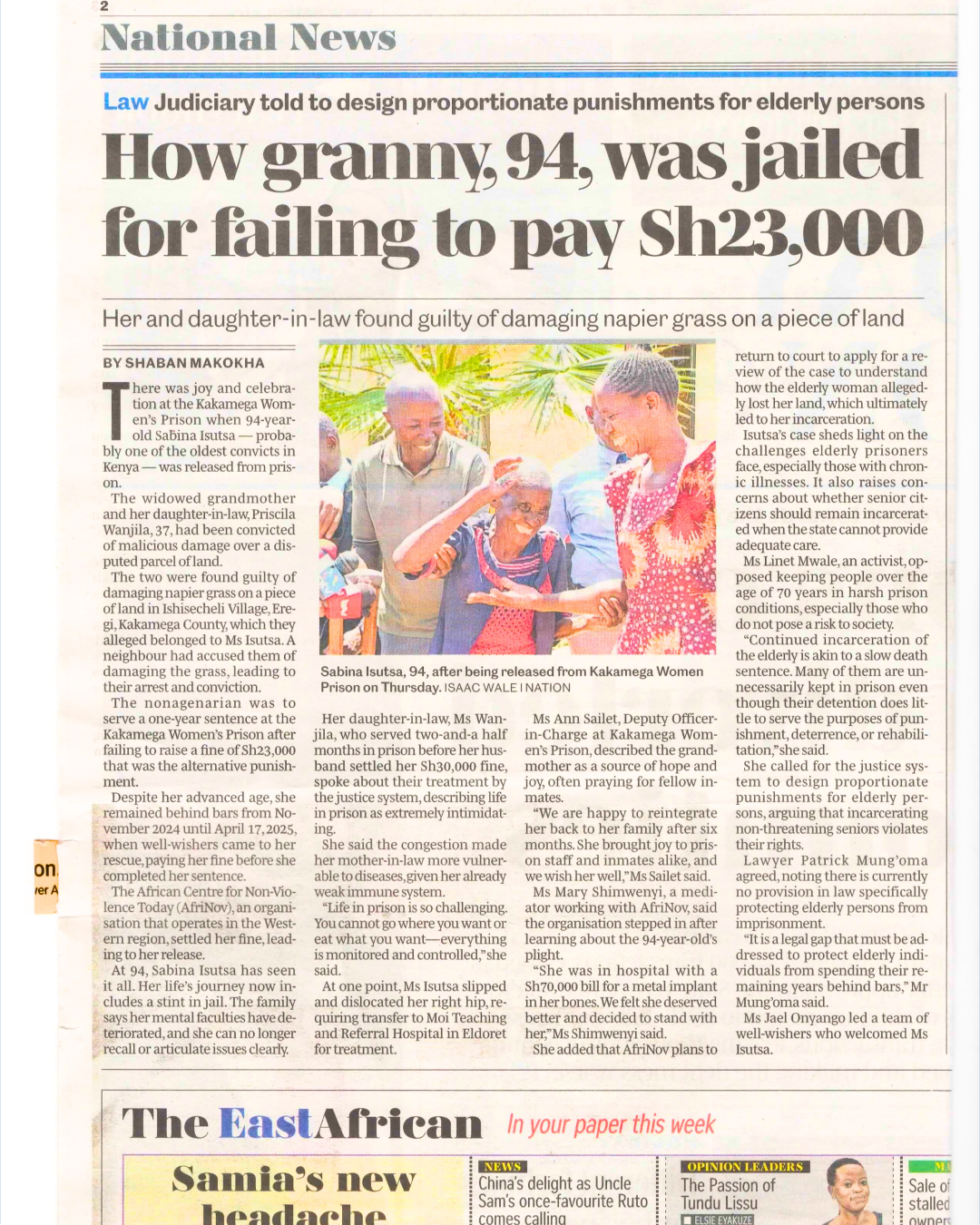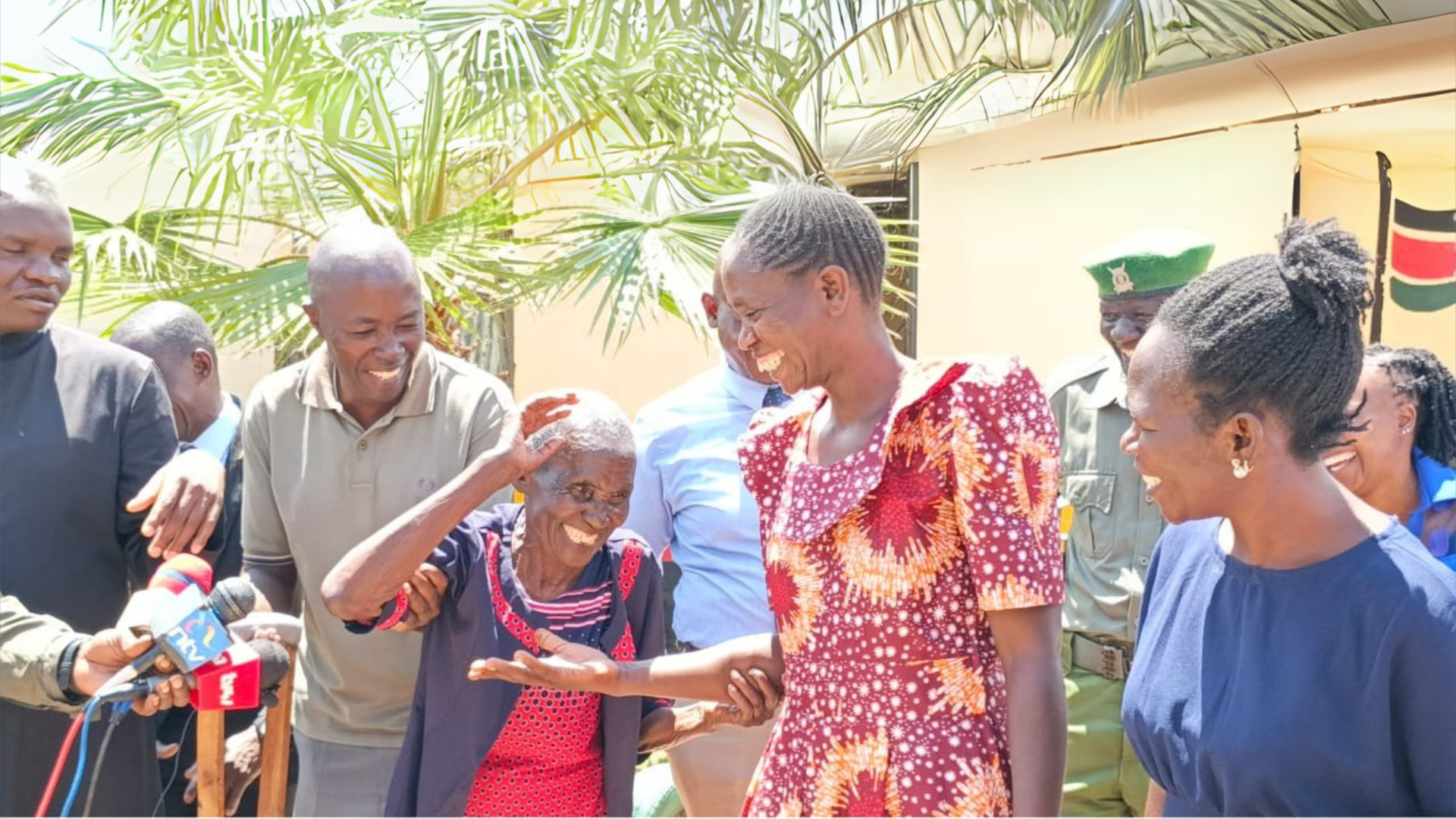
A jovial Sabina Isutsa & Priscila Wanjila, outside prison after release.
In Mumias East, Kakamega County, a story unfolded this year that shook our hearts. AfriNov, through its partnership with Shalom/Amani Community-Based Organization, has long been engaged in grassroots campaigns against gender-based violence (GBV) across Western Kenya. Our approach has been sensitization forums and stakeholder dialogues to nonviolent actions, legal accompaniment, media advocacy, psychosocial support and creative expressions through art and theatre.
Early in 2025, AfriNov began collaborating with a local vernacular radio station to raise awareness about GBV. Every week, our trained Community Resource Persons (CRPs) hosted talk shows, offering insights, support and answers to a growing listenership across the region. It was after one of these broadcasts that we received a call that would change the course of one woman’s life from Kakamega Women’s Prison.
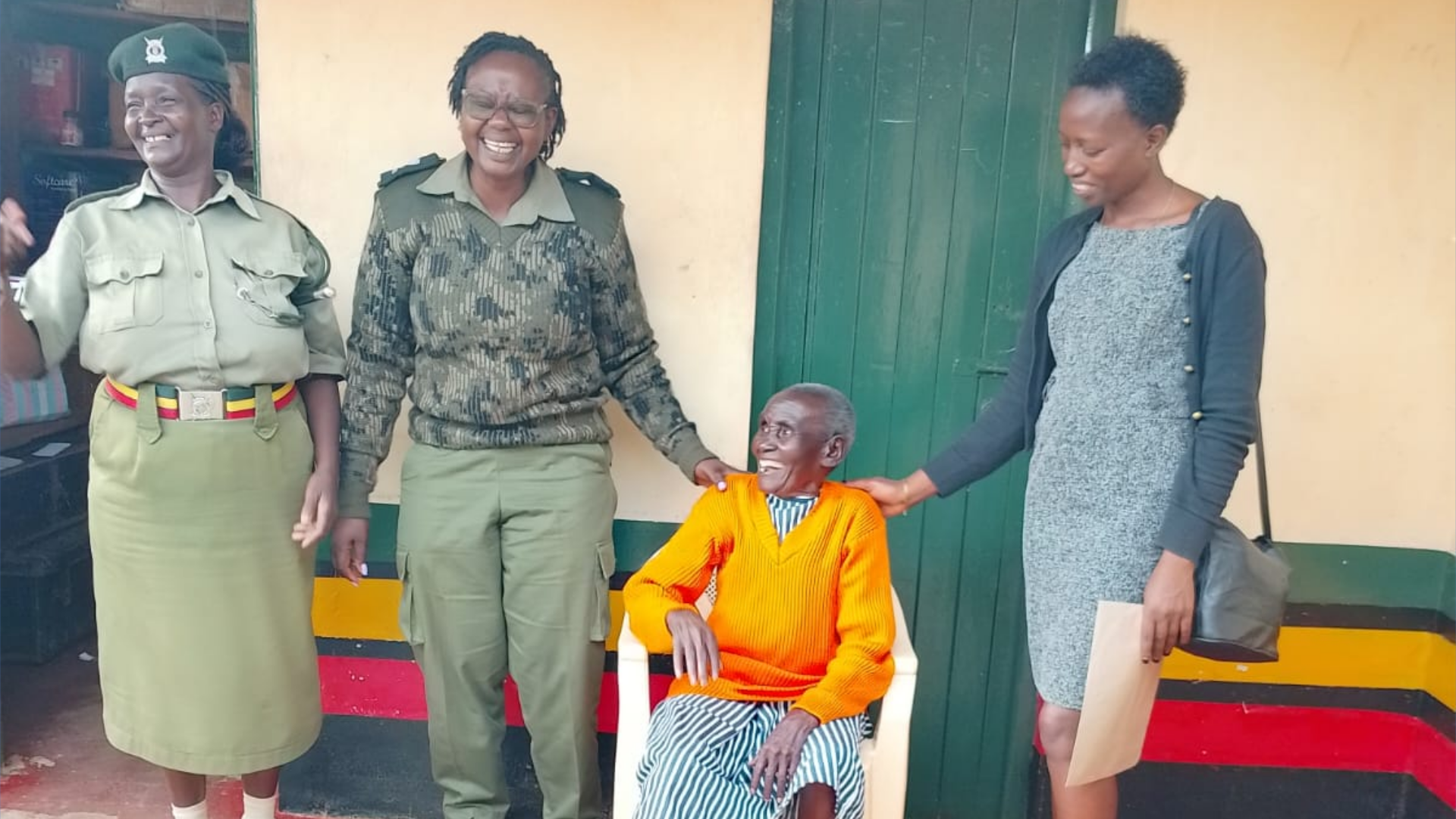
A staff member who had been listening to one of the radio session asked for intervention for a 94-year-old grandmother, together with her daughter-in-law who had been imprisoned for allegedly trespassing and damaging property on a disputed piece of land.
Their crime? Cutting Napier grass. Both women had been sentenced to one year in prison or a fine of Ksh. 30,000, an amount they could not afford. Six months into her sentence, the grandmother suffered a devastating fall in prison, dislocating her hip.
She was in pain and the prison lacked the resources to fund her treatment. She needed help. Our CRP, Linet Mwale, visited the prison and after confirming the details, AfriNov mobilized its network. Within a few days funds were raised to take the grandmother to hospital, clear her medical bills and pay the Ksh. 23,000 balance required to secure her release.
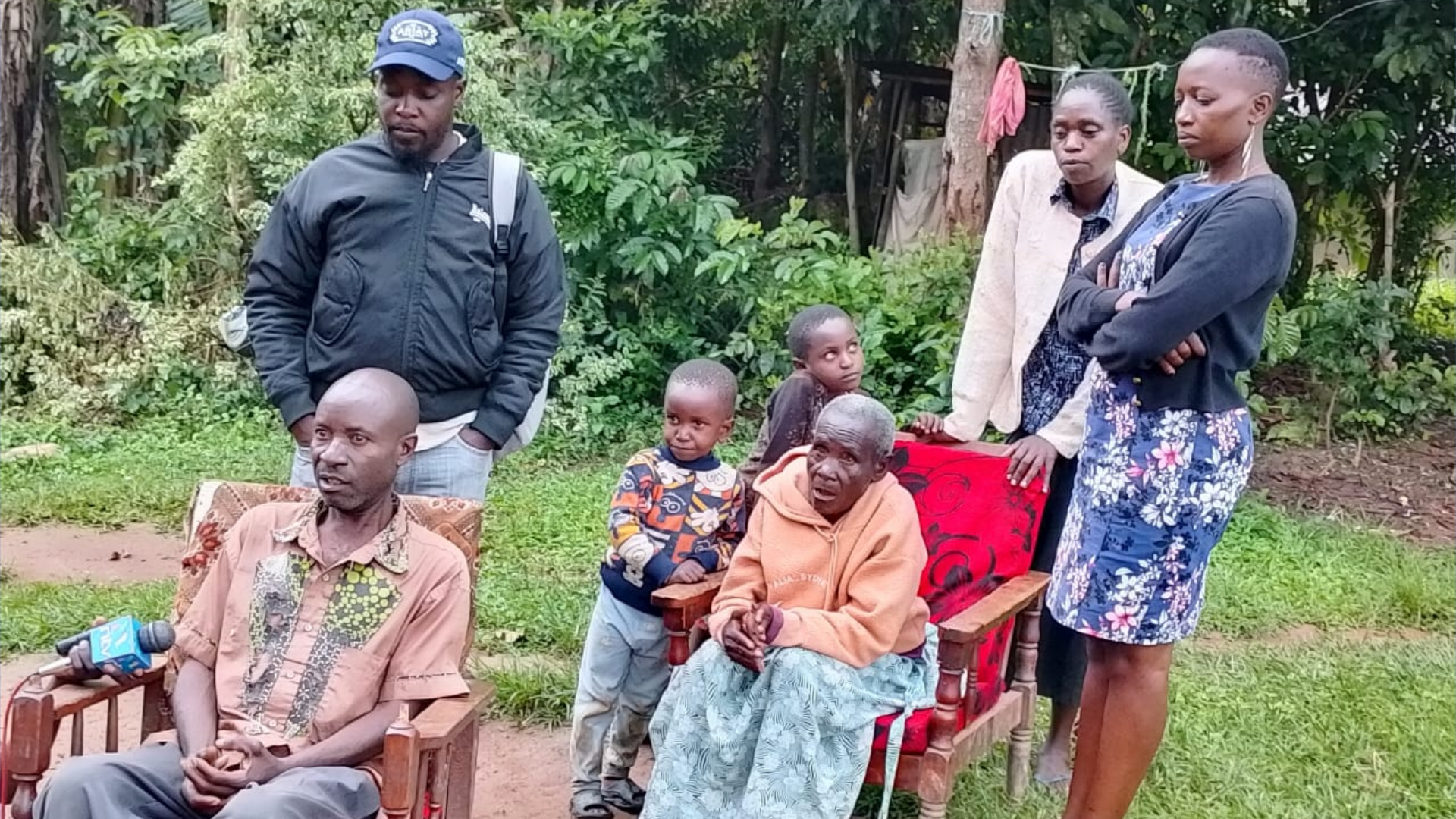
AfriNov also reached out to her estranged family to rebuild relationships that had been strained by poverty and dispute. We raised her case in the media, calling attention not only to her injustice, but to the countless others whose stories remain buried behind bars. We initiated dialogue with the neighbors involved in the land conflict to pursue mediation and peaceful coexistence.
We began a deeper partnership with the prison itself, holding mental health sessions with both inmates and wardens and joined them in Women’s Day celebrations to reaffirm the humanity of those society too often forgets. AfriNov’s credibility and reach grew significantly, opening new doors across the region. We formalized collaboration with Kakamega Women’s Prison and were granted officespace in a national government facility to support our growing GBV work.